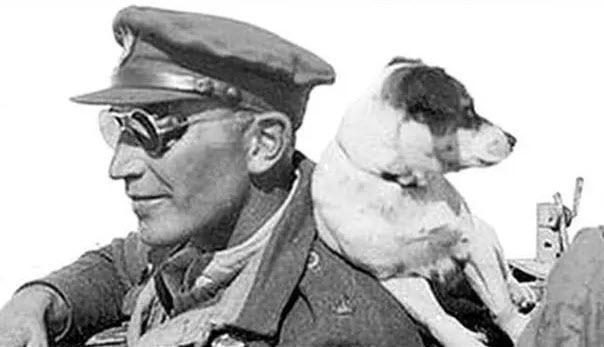
Why Paddy Mayne Never Received the Victoria Cross
A Question That Refuses to Go Away
Among those who study the Second World War, one question continues to spark debate:
Why was Paddy Mayne - one of the most decorated and effective soldiers of the war - never awarded the Victoria Cross?
Despite his extraordinary record with the Special Air Service, Mayne received multiple Distinguished Service Order awards - but not the British Empire’s highest honor for gallantry.
The reasons remain unclear.
What the Victoria Cross Represents
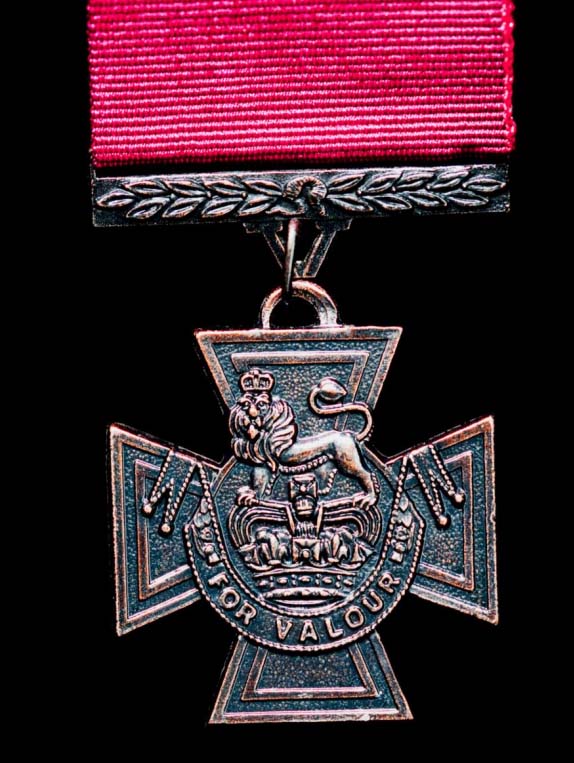
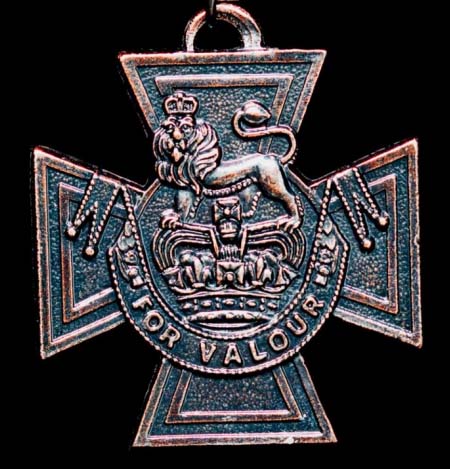
The Victoria Cross (VC) is awarded for “most conspicuous bravery… in the presence of the enemy.”
It is rare, highly selective, and often granted for a single, clearly defined act of heroism.
Many who received it performed one extraordinary action under extreme conditions - often at great personal cost.
This distinction matters when considering Mayne’s case.
Mayne’s Record in Context
Mayne’s wartime achievements were not limited to a single moment.
Instead, they were consistent, repeated, and cumulative:
- Leading high-risk raids deep behind enemy lines
- Destroying large numbers of enemy aircraft
- Commanding men under extreme conditions
- Continuing operations despite injury
His actions helped shape the effectiveness of the SAS and contributed significantly to Allied success in multiple theaters.
Yet this kind of sustained impact did not always fit neatly into the criteria for the VC.
The Recommendation That Changed
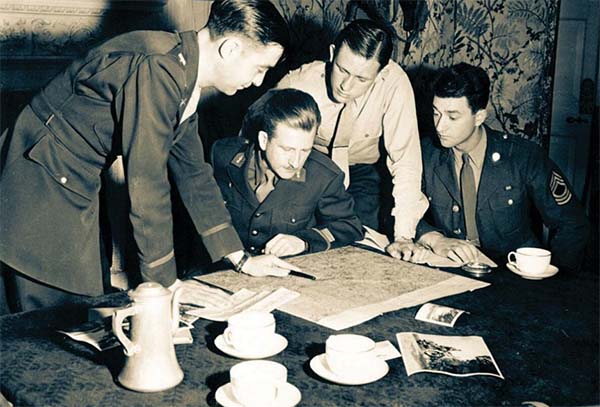
One of the most discussed elements of the controversy centers on a reported recommendation.
It is widely believed that Mayne was put forward for the Victoria Cross following his actions late in the war.
However, somewhere in the chain of command, that recommendation was downgraded - ultimately resulting
in the award of another Distinguished Service Order instead.
Exactly why this happened remains uncertain.
Theories Behind the Decision
Several explanations have been suggested over the years:
1. Personality and Discipline
Mayne’s reputation for volatility - including earlier incidents of violence - may have worked against him.
The British Army’s senior leadership often valued discipline and conformity, qualities Mayne did not always display
2. Nature of SAS Operations
The SAS operated in unconventional ways.
Small-scale raids, often conducted at night and behind enemy lines, were harder to document and verify compared to traditional battlefield heroism.
This may have made it more difficult to justify the VC within established criteria.
3. Lack of a Single Defining Moment
Unlike many VC recipients, Mayne’s heroism was spread across many operations, rather than one easily identifiable act.
Ironically, the scale of his contribution may have made it harder to recognize with a single award.
4. Command Decisions and Politics
Some historians suggest that internal military decisions - or even politics - played a role in the downgrade. However, no definitive evidence has ever confirmed this.
Recognition Without the VC
Despite not receiving the Victoria Cross, Mayne’s record remains extraordinary.
He was awarded the Distinguished Service Order multiple times - an achievement that reflects repeated acts of leadership and bravery at the highest level.
Among his peers, his reputation was firmly established.
A Debate That Continues
Decades later, the question still lingers:
Was Paddy Mayne overlooked?
For some, the answer is yes - a remarkable soldier who never received the recognition he deserved.
For others, the decision reflects the strict criteria and traditions surrounding the Victoria Cross.
Conclusion
What is certain is this:
Paddy Mayne’s impact on the war - and on the development of modern special forces - remains undeniable.
Whether or not he received the Victoria Cross, his legacy continues to stand among the most significant of the Second World War.
Sources and Further Reading
- The London Gazette, Supplement 37302, 9 October 1945, p. 5004 (third Bar to the DSO, awarded in place of the VC recommendation)
- “The Bravest Man Never to Have Been Awarded a VC: A Re-examination”, Northern Ireland War Memorial
- Hamish Ross, Paddy Mayne: Lt Col Blair ‘Paddy’ Mayne, 1 SAS Regiment (Sutton Publishing, 2003)
Related pages: World War II Operations · Biography · Timeline