The Birth of a New Kind of Warfare
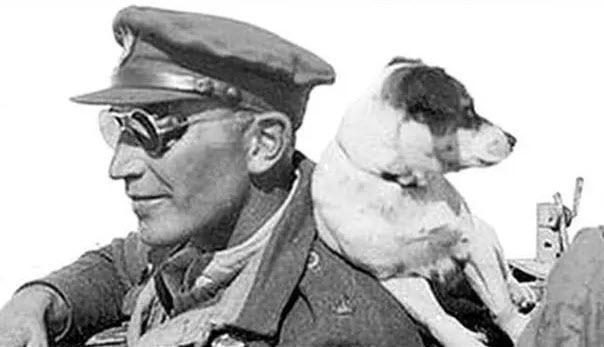
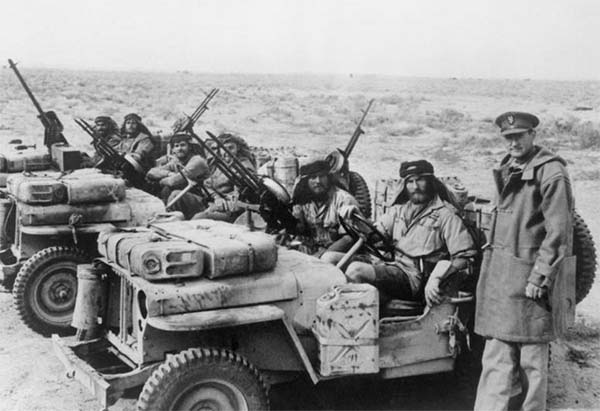
In 1941, as the war in North Africa stalled, a young officer named David Stirling proposed a radical idea. Instead of relying on large, conventional forces, small teams of highly trained soldiers would strike deep behind enemy lines - destroying aircraft, fuel depots, and supply routes before disappearing into the desert.
This new unit would become the Special Air Service - the SAS.
At first, few believed it would work.
Why Paddy Mayne Was Chosen
Paddy Mayne was not a conventional soldier - and that was exactly the point.
Strong, fearless, and often unpredictable, he possessed the qualities Stirling needed: aggression, initiative, and a willingness to operate outside the rules of traditional warfare.
Mayne joined the SAS at its very beginning, quickly proving himself in the harsh conditions of desert operations. Where others hesitated, Mayne acted.
The SAS Way of Fighting
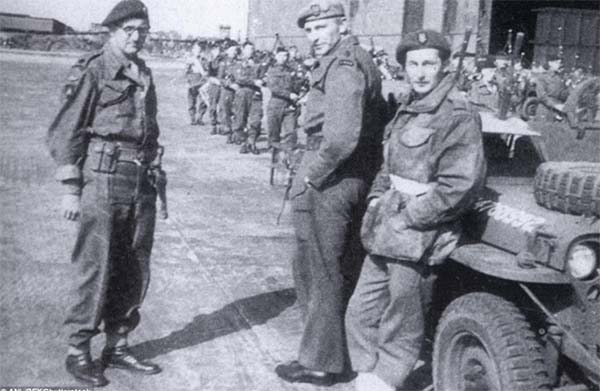
The SAS developed a style of warfare that was unlike anything seen before:
- Small, mobile units operating far behind enemy lines
- Night raids targeting vulnerable airfields
- Speed and surprise over sustained combat
- Maximum damage with minimal manpower
Rather than holding territory, the SAS focused on disruption and destruction - forcing the enemy to defend everywhere at once.
This approach would later influence special forces around the world.
Mayne in Action
Mayne thrived in this environment.
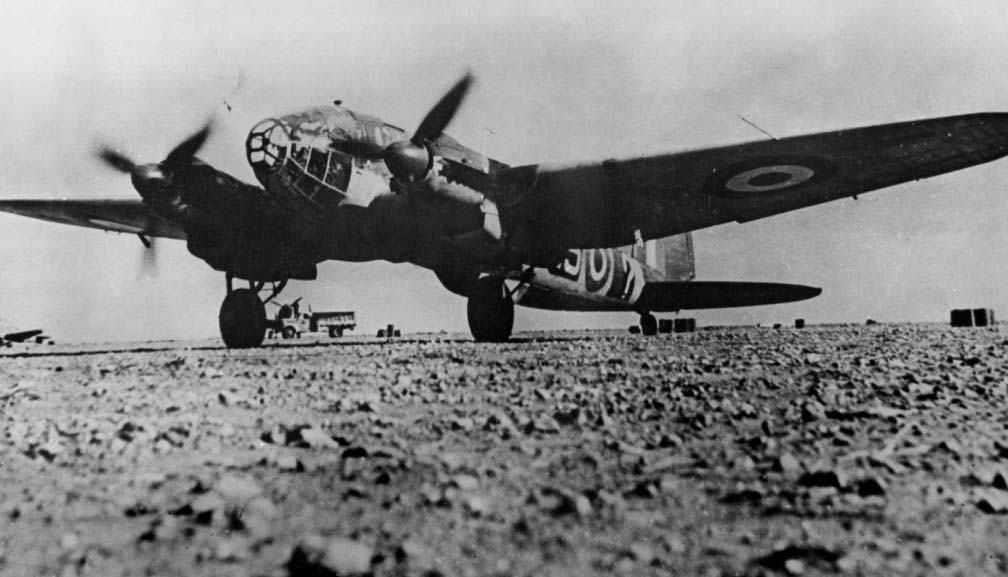
He became known for leading from the front - personally placing explosives on enemy aircraft and engaging in close combat during raids.
On multiple occasions, he displayed extraordinary courage under fire, continuing missions despite injury and overwhelming odds.
His actions contributed to the destruction of large numbers of enemy aircraft, severely weakening Axis air power in North Africa.
From Soldier to Leader
When David Stirling was captured in 1943, the SAS faced an uncertain future.
Mayne stepped into a leadership role, helping to hold the unit together and guide it through its next phase. Under his command, the SAS expanded its operations beyond the desert - moving into Italy and later into northwest Europe following the D-Day landings.
A Reputation That Endured
By the end of the war, Paddy Mayne had become one of the SAS’s most respected - and feared - leaders.
He was awarded the Distinguished Service Order multiple times for his actions.
Among his men, he inspired loyalty and respect.
Among his enemies, he left destruction and uncertainty
The Legacy of the SAS and Mayne’s Role in It
The SAS did more than win battles - it changed how wars were fought.
Modern special forces units around the world trace their origins back to the methods developed in North Africa.
And at the center of those early operations was Paddy Mayne.
Not just a participant - but a defining figure in the creation of a new kind of warfare.
Sources and Further Reading
- Ben Macintyre, SAS: Rogue Heroes (Penguin, 2016)
- Hamish Ross, Paddy Mayne: Lt Col Blair ‘Paddy’ Mayne, 1 SAS Regiment (Sutton Publishing, 2003)
- “David Stirling: The Phantom Major”, National Army Museum
- “How did the SAS transform the Second World War?”, Imperial War Museums
Related pages: SAS Jeep Raids · World War II Operations · Victoria Cross · Biography