From Soldier to Special Forces Pioneer
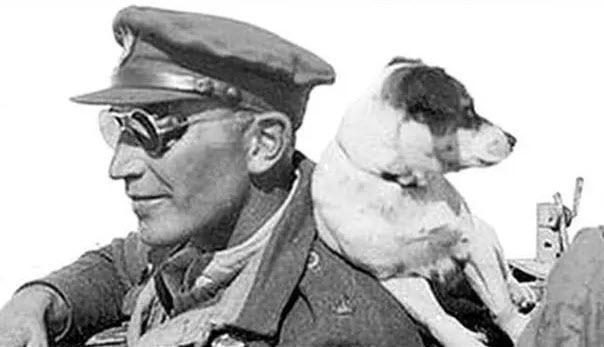
During World War II, Paddy Mayne evolved from a conventional soldier into one of the most influential figures in modern special forces warfare.
As a key member—and later leader—of the Special Air Service, Mayne played a central role in operations that
redefined how small units could fight and win.
North Africa: The Beginning of SAS Warfare
Mayne’s most famous operations began in the deserts of North Africa.
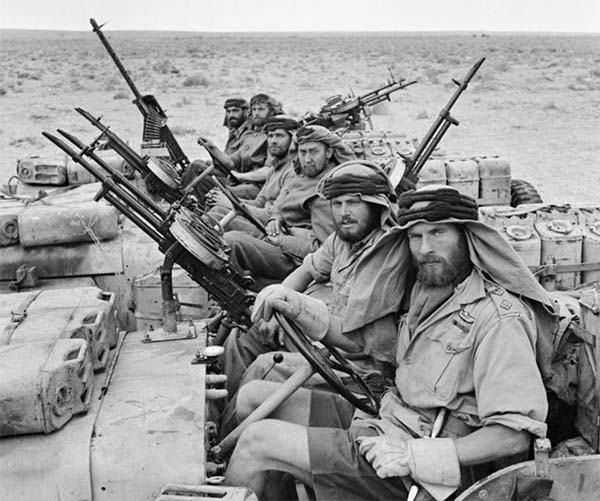
Here, the SAS developed its signature tactics:
- Deep-penetration raids behind enemy lines
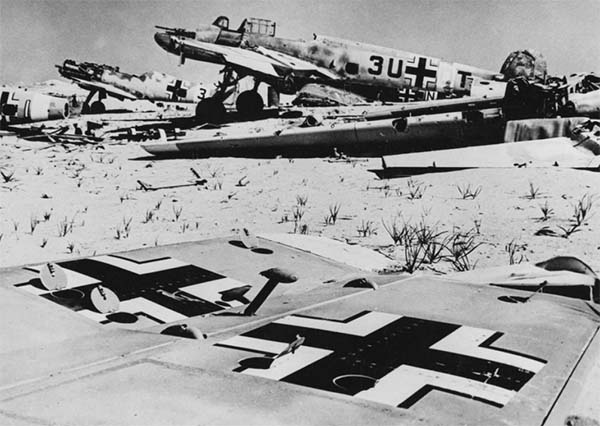
- Destruction of aircraft and supply depots
- Rapid strikes followed by immediate withdrawal
Operating in extreme conditions, these missions required endurance, precision, and absolute trust between men.
It was in this environment that Mayne’s reputation was forged.
The Jeep Raids and Strategic Impact
The introduction of heavily armed jeeps transformed SAS operations.
These raids:
- Destroyed significant numbers of Axis aircraft
- Disrupted supply and communication lines
- Forced the enemy to divert resources to defense
What made them remarkable was their scale relative to their size—small teams achieving outsized strategic results.
Leadership After Stirling
When David Stirling was captured in 1943, the future of the SAS was uncertain. Mayne stepped forward.
As a leader, he was:
- Direct and uncompromising
- Relentless in execution
- Deeply respected by his men
He helped maintain the effectiveness of the SAS during a critical phase of the war, ensuring its continued success beyond North Africa.
Italy and the Expansion of Operations
Following the North African campaign, SAS operations expanded into Italy.
The terrain and conditions were very different—mountains, villages, and more conventional front lines—but the principles remained the same:
- Mobility
- Surprise
- Targeted disruption
Mayne adapted quickly, continuing to lead missions that applied SAS tactics in new environments.
Northwest Europe: After D-Day
After the D-Day landings, the SAS shifted its focus to northwest Europe.
Operations included:
- Supporting resistance movements in France
- Disrupting German supply lines and communications
- Conducting reconnaissance and deep raids
These missions played a key role in weakening German forces during the Allied advance across Europe
Final Operations and End of War
As the war neared its end, Mayne continued to lead operations into Germany.
By 1945, he had become one of the most decorated officers in the British Army, receiving multiple awards including the Distinguished Service Order.
His wartime service spanned multiple theaters and phases of the conflict—an uncommon achievement even among elite soldiers.
The Impact of Mayne’s War
Paddy Mayne’s contribution to World War II went beyond individual missions.
He helped demonstrate that:
- Small, elite units could have strategic impact
- Speed and surprise could outweigh numbers
- Special forces could operate independently and effectively
These ideas became the foundation of modern special operations forces.
Conclusion
From the deserts of North Africa to the fields of Europe, Paddy Mayne’s wartime career reflects the evolution of modern warfare itself.
His actions, leadership, and relentless drive made him one of the most significant figures in the history of the SAS—and one of the most compelling soldiers of the Second World War.