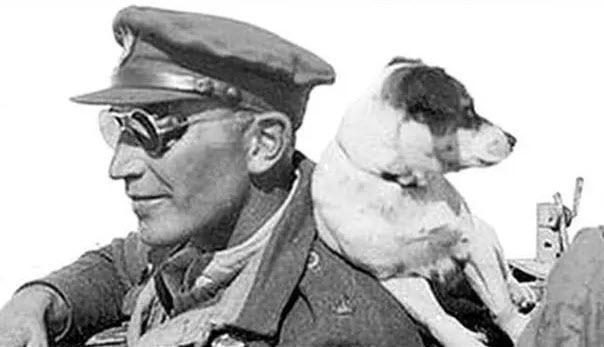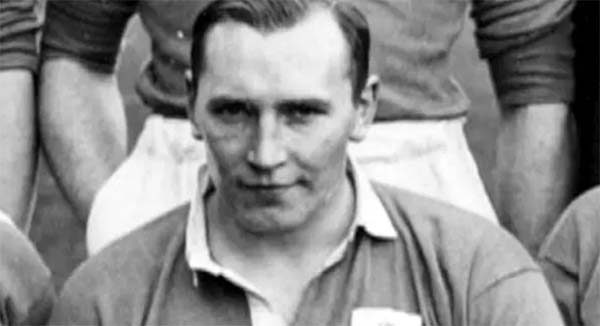
From Rugby Star to SAS Legend
The life of Paddy Mayne spans sport, war, and controversy.
Below is a chronological timeline of key events—from his early life in Ireland to his role in shaping the Special Air Service and his legacy after the war.
1915–1938: Early Life & Rugby Career
1915 – Born in Newtownards, Northern Ireland
1920s–30s – Educated at Methodist College Belfast
Mid-1930s – Studies law at Queen’s University Belfast
1937 – Plays international rugby for Ireland national rugby union team
1938 – Tours South Africa with the British & Irish Lions
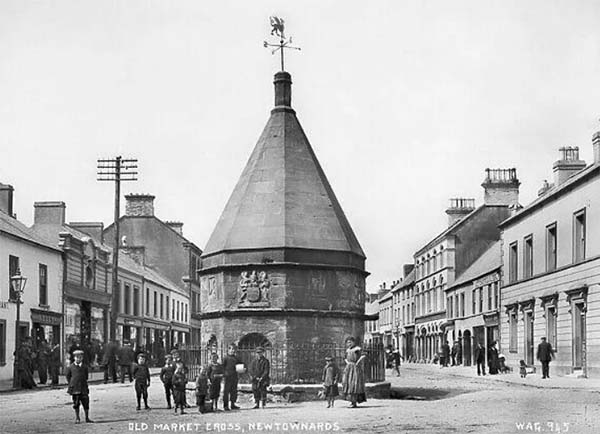
1939–1941: War Begins
1939–1940 – Joins the Royal Artillery
1941 – Selected for a new experimental unit led by David Stirling
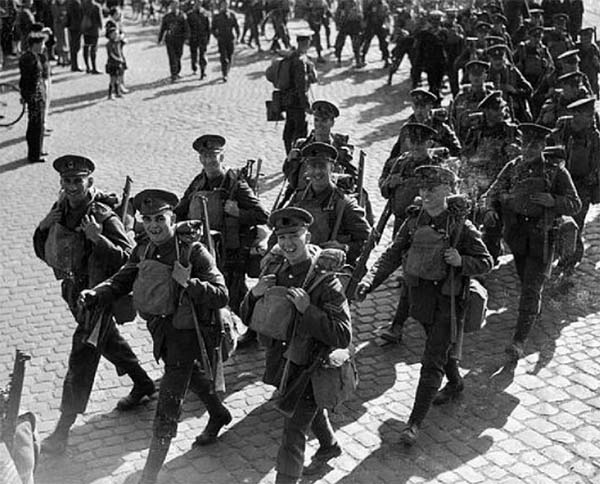
1941–1943: The SAS and Desert Campaign
1941 – Becomes a founding member of the Special Air Service
1941–1942 – Participates in early SAS raids in North Africa
1942 – Leads multiple successful airfield attacks, destroying enemy aircraft
1943 – Gains reputation as one of the SAS’s most aggressive and effective leaders
1943–1945: Leadership and European Operations
1943 – David Stirling captured; Mayne takes on greater leadership
1944 – Supports operations following the D-Day
1944–1945 – Leads SAS missions in France, the Netherlands, and Germany
1945 – Awarded additional bars to his Distinguished Service Order
Post-War Years
1945 – War ends; Mayne returns to civilian life
Late 1940s–1950s – Works as a solicitor in Northern Ireland
1955 – Dies in a car accident at age 40
Legacy and Ongoing Debate
Posthumous Legacy:
- Recognized as a key figure in the development of modern special forces
- One of the most decorated SAS soldiers of WWII
- Continued debate over the absence of the Victoria Cross
Quick Summary
Paddy Mayne (1915–1955) was a British Army officer, founding member of the SAS, and one of WWII’s most decorated soldiers. He rose from international rugby player to special forces leader, conducting raids across North Africa and Europe, and remains a controversial figure due to never receiving the Victoria Cross.