Early Life in Ireland
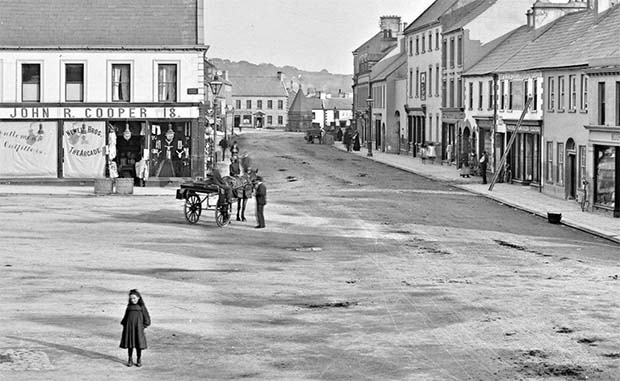
Paddy Mayne was born on January 11, 1915, in Newtownards, into a well-established Protestant family. From an early age, he stood out — physically powerful, highly intelligent, and fiercely independent. He attended Methodist College Belfast before studying law at Queen’s University Belfast. But it was on the rugby field where Mayne first made his name.
Rugby Career and Reputation
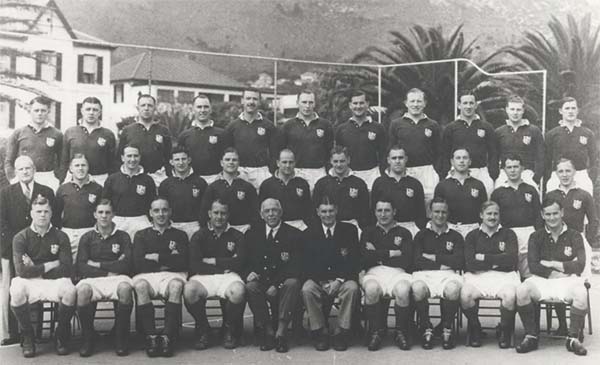
Mayne was a formidable rugby player, representing Ireland national rugby union team and later touring South Africa with the British & Irish Lions in 1938.
He played with the same intensity that would later define his military career — aggressive, fearless, and relentless.
Off the field, however, he developed a reputation for volatility. Stories of heavy drinking and sudden violence followed him, hinting at the unpredictable nature that would both define and complicate his later life.
War Breaks Out
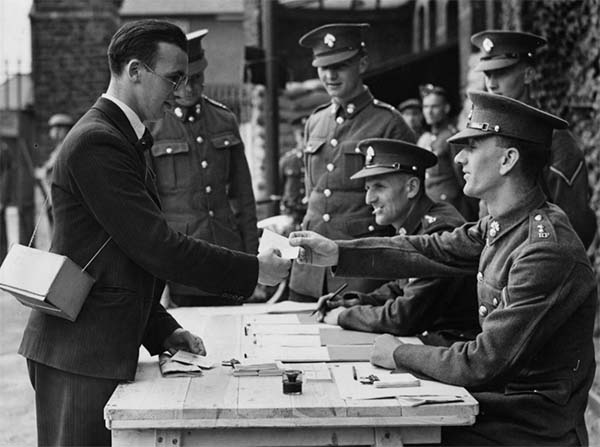
With the outbreak of World War II, Mayne joined the British Army, initially serving in the Royal Artillery. It wasn’t long before his unconventional nature brought him into trouble. After an incident involving the assault of a superior officer, Mayne found himself under arrest — his military career hanging by a thread. That moment would prove to be a turning point.
Joining the SAS
Enter David Stirling, a visionary officer seeking men who didn’t fit the mold. Recognizing Mayne’s raw potential, Stirling recruited him into a new and experimental unit: the Special Air Service.
Here, Mayne found his place.
The SAS would operate behind enemy lines, conducting sabotage missions against German airfields and supply lines — dangerous, unconventional warfare that demanded exactly the kind of aggression and initiative Mayne possessed.
Desert Raids and Rising Legend
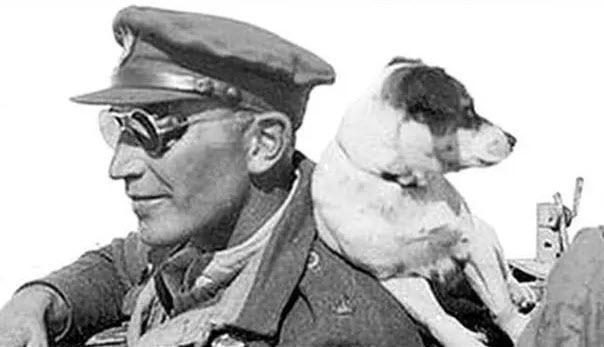
In the deserts of North Africa, Mayne became a legend.
Leading small teams in heavily armed jeeps, he carried out daring night raids on enemy airfields — destroying aircraft, fuel depots, and infrastructure before vanishing back into the desert.
He was credited with the destruction of dozens — possibly hundreds — of enemy aircraft, making him one of the most effective raiders of the war.
His leadership was direct and uncompromising. He demanded everything from his men — and gave even more himself.
Leadership and European Campaign
After the capture of Stirling, Mayne rose to command the SAS.
He led operations in Italy and later across occupied Europe following the D-Day landings.
In France and Germany, SAS units disrupted enemy communications, supported resistance fighters, and carried out deep-penetration missions far behind enemy lines.
By the end of the war, Mayne had become one of the most decorated soldiers in the British Army, receiving the Distinguished Service Order multiple times.
A Complicated Legacy
Despite his achievements, Mayne remained a deeply complex figure.
Accounts from fellow soldiers describe both extraordinary courage and moments of extreme violence. His temper, already evident before the war, became part of his legend.
After the war, he returned to Northern Ireland, struggling to adjust to civilian life. In 1955, at the age of 40, Paddy Mayne was killed in a car accident near his home.
Why Paddy Mayne Still Matters
Paddy Mayne’s story is more than a tale of battlefield heroics.
It is the story of a man who helped define modern special forces warfare — while also embodying its contradictions.
A hero to some. A controversial figure to others.
But unquestionably one of the most remarkable soldiers of World War II.